How to Use Enzymes Trypsin in Cell Culture Formulations
Formulate trypsin enzyme for cell culture with pH, temperature, dose, QC, COA/TDS/SDS, pilot validation, and supplier qualification guidance.
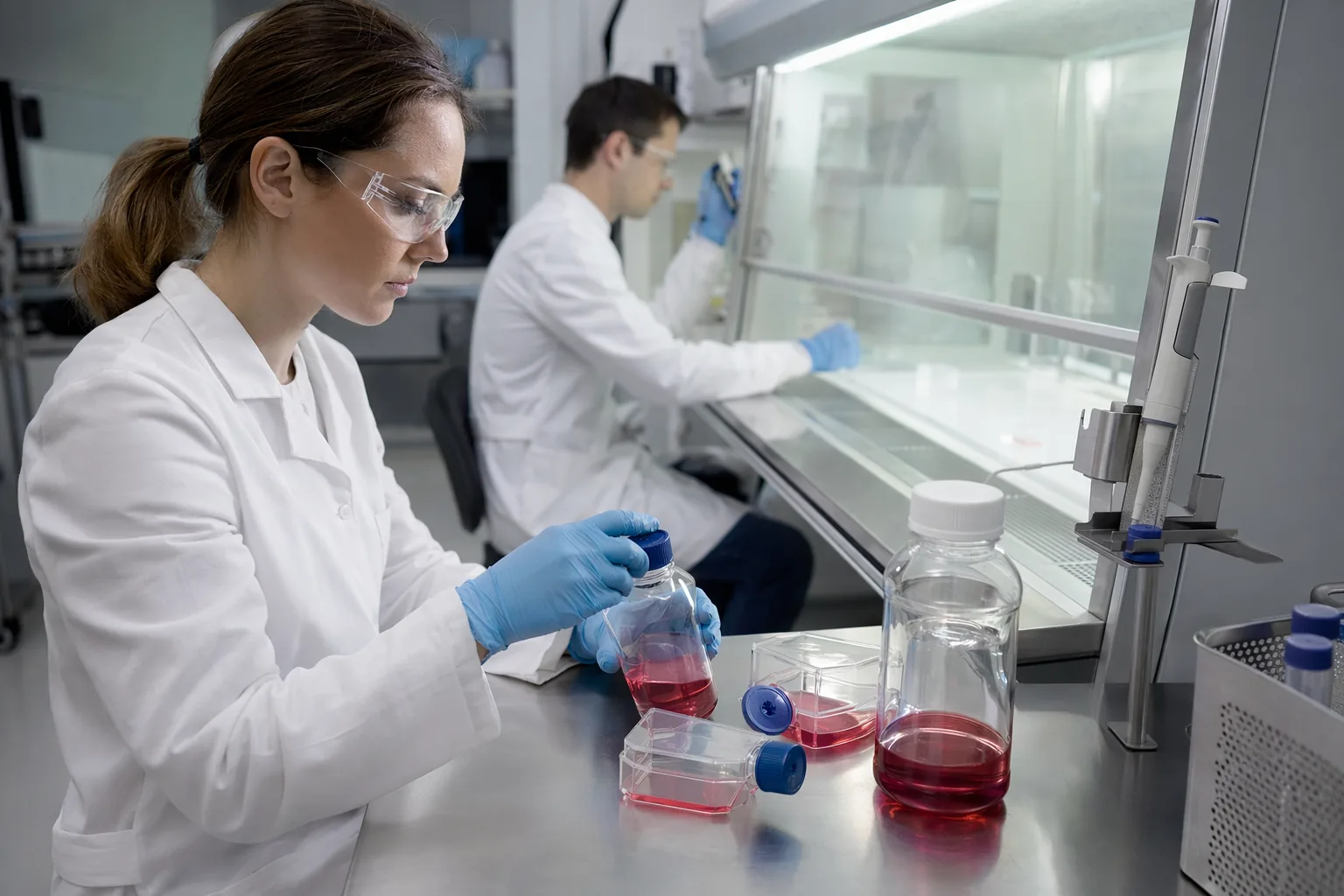
For cell culture labs, bioprocess and diagnostic manufacturers and the distributors who supply them, trypsin selection is a formulation decision: activity, purity, handling, documentation, and cost-in-use all determine performance at scale. To get a quote, send the product, quantity and destination country.
Why trypsin matters in cell culture formulations
In cell culture, enzymes trypsin are used primarily to detach adherent cells by cleaving extracellular matrix and surface adhesion proteins. For a B2B formulation team, the target is not maximum proteolysis; it is reproducible release with acceptable viability, morphology, and downstream performance. A trypsin enzyme that works well for one cell line may over-digest another, especially when cells differ in adhesion strength, serum sensitivity, or passage number. Formulation choices typically include trypsin source, activity level, stabilizer system, buffer composition, chelator presence, osmolality, and packaging format. Proteolytic enzymes trypsin should be evaluated as process inputs, not commodities, because lot-to-lot activity, impurity profile, and inhibition behavior can affect cell yield and assay consistency. Buyers should define the intended use clearly: routine passaging, scale-up expansion, primary cell isolation, or diagnostic manufacturing support.
Define the cell line, substrate, passage range, and harvest endpoint before selecting grade. • Set acceptance criteria for detachment time, viability, recovery, and post-passaging growth. • Confirm whether animal-origin-free or recombinant trypsin is required by the process.
Practical process conditions for formulation work
Most trypsin cell culture workflows operate at pH 7.2 to 8.0 and 20 to 37 °C, with faster action near 37 °C. Common working concentrations are often expressed as 0.025% to 0.25% w/v or as activity units per mL, depending on supplier specification. Exposure time is usually the most important control point: many adherent lines detach within 2 to 10 minutes, but the validated range should be established for each formulation and vessel geometry. Calcium and magnesium removal, often with EDTA, can improve detachment, while serum or defined inhibitors can be used to stop activity. Avoid assuming that trypsin enzymes are interchangeable by weight; activity units, purity, formulation salts, and stabilizers differ between suppliers. For robust scale-up, record enzyme lot, dilution water quality, hold time, temperature, and neutralization ratio.
Typical pH target: 7.2 to 8.0 for cell culture detachment. • Typical temperature: room temperature to 37 °C, validated by cell response. • Typical dose screen: 0.025% to 0.25% w/v or supplier-defined unit range. • Typical endpoint checks: rounded cells, release by gentle agitation, viability, and recovery.
Recombinant, animal-derived, and modified trypsin options
Recombinant trypsin is often considered when manufacturers want improved traceability, reduced animal-origin concerns, and more consistent impurity control. Animal-derived trypsin may remain suitable for research or legacy processes if documentation, sourcing, and performance are acceptable. Modified forms, such as stabilized or chemically treated trypsin, may improve handling or reduce autolysis, but they should be qualified against the same cell-based criteria as any other input. Trypsin and chymotrypsin enzymes are both proteases, yet their cleavage preferences and process effects differ, so they should not be substituted without validation. The enzymes trypsin and chymotrypsin may appear together in protein digestion workflows, but cell culture detachment usually prioritizes controlled trypsin activity. For diagnostics or manufacturing, request a technical comparison of activity assay, host system or tissue source, excipients, bioburden approach, and recommended storage conditions before shortlisting suppliers.
Use recombinant trypsin when animal-origin control is a key purchasing requirement. • Use legacy animal-derived material only with documented traceability and validated performance. • Compare activity methods before converting dose between products.
QC checks, documentation, and supplier qualification
A qualified trypsin supplier should provide a current COA, TDS, and SDS for each commercial material. The COA should identify activity, appearance, lot number, manufacturing or release date, storage conditions, and relevant impurity or microbiological tests when applicable. The TDS should explain formulation composition, recommended use range, solubility, pH guidance, storage, and handling limitations. The SDS should support safe receiving, storage, and operator training. For industrial buyers, supplier qualification should also cover traceability, lot retention, change notification, deviation handling, analytical method consistency, and availability of technical support for pilot validation. QC in the buyer’s lab should include identity or activity confirmation where practical, sterility or bioburden checks when required by the process, endotoxin limits for sensitive applications, and a cell-based functional assay. Do not rely on catalog activity alone; confirm the enzyme in your exact media and workflow.
Request COA, TDS, SDS, allergen or origin statements where relevant, and change-control terms. • Review activity assay method, not only the numerical activity result. • Run a cell-based functional release test for each qualified product family. • Define incoming inspection and storage monitoring before production use.
Pilot validation and cost-in-use for scale-up
Pilot validation should translate bench detachment into a repeatable production instruction. Test at least three practical dose levels, two exposure times, and the intended operating temperature. Measure detachment completeness, cell viability, post-passaging doubling time, morphology, aggregate formation, residual activity neutralization, and downstream assay impact. If the process uses closed systems, microcarriers, multilayer vessels, or automated harvest equipment, validate mixing and contact time under those conditions rather than relying on flask data. Cost-in-use should include enzyme price, dilution losses, neutralization reagent, extra washes, failed batches, cold-chain storage, documentation burden, and supplier reliability. A higher activity recombinant trypsin may reduce dosage or variability, while a lower-cost product may be acceptable for robust cell lines. The best purchasing decision is usually the material that meets release criteria with the fewest process adjustments and the lowest verified cost per successful batch.
Validate in the same vessel type, media system, and neutralization method used at scale. • Track cost per harvested viable cell, not only cost per gram or bottle. • Include shipping, storage, waste, and documentation costs in sourcing models. • Lock specifications only after pilot lots meet functional and QC criteria.
Troubleshooting Slow or Uneven Detachment
Trypsin is a serine protease used to cleave adhesion-related proteins so adherent cells can detach from culture surfaces. If detachment is slow, uneven, or damaging, the issue is often not the enzyme name but the process window. Lot activity, concentration, exposure time, residual serum, chelators, pH, and temperature all change how the trypsin performs in practice. In B2B cell culture, the target is not maximum digestion; it is controlled detachment with acceptable viability, morphology, recovery, and downstream performance. A robust purchasing specification should therefore connect the trypsin enzyme grade to the validated protocol, including storage, thawing, dilution, hold time, and neutralization method. For regulated or scale-sensitive workflows, compare recombinant trypsin, porcine-derived trypsin, and trypsin-EDTA formats through the same pilot matrix rather than assuming equivalent performance by label concentration alone.
Define the cell line, surface, vessel scale, and passaging frequency. • Track detachment time, cell viability, clumping, and post-passage recovery. • Confirm whether EDTA is required to improve detachment consistency.
Technical Buying Checklist
Buyer Questions
The best grade is the one that meets your cell-based release criteria, documentation needs, and sourcing requirements. For regulated or diagnostic manufacturing workflows, buyers often prefer recombinant trypsin or well-documented animal-origin material with clear traceability. Evaluate activity, impurity profile, bioburden strategy, endotoxin expectations, excipients, packaging, and change-control support. Final selection should be based on pilot validation in your exact media, vessel, and neutralization process.
The question, "what enzymes does trypsin activate," is usually biological rather than formulation-specific. In pancreatic biology, trypsin can activate certain pancreatic zymogens, including chymotrypsinogen to chymotrypsin. In cell culture formulation, the key concern is different: controlling trypsin’s own proteolytic activity so cells detach without excessive surface protein damage. Do not design a cell culture process around enzyme activation assumptions without application-specific validation.
Trypsin and pepsin are enzymes that function in different areas and at different pH ranges. Pepsin is active in acidic conditions, while trypsin is typically used near neutral to mildly alkaline pH. For cell culture, trypsin is the common detachment protease because its activity profile matches practical culture conditions. Pepsin is more relevant to acidic protein hydrolysis, not routine adherent cell passaging.
Trypsin and chymotrypsin enzymes are related proteases, but they cleave different amino acid residues and can create different cell or protein digestion outcomes. The enzymes trypsin and chymotrypsin may both appear in proteomics or tissue dissociation work, yet substitution in a validated cell culture formulation can change detachment speed, viability, and surface marker retention. Treat any substitution as a process change requiring pilot testing and QC review.
Yes. Although pancreatic biology is associated with secreting the enzymes lipase trypsin and amylase, industrial procurement must focus on the specific trypsin material, source control, and documentation. Animal-derived materials may require origin statements and stronger traceability review. Recombinant materials may simplify animal-origin risk management, but they still require COA review, functional testing, storage verification, and supplier qualification before use in production.
Related Search Themes
trypsin enzyme, proteolytic enzymes trypsin, trypsin enzymes, what enzymes does trypsin activate, trypsin and pepsin are enzymes that function in different areas, trypsin and chymotrypsin enzymes
Trypsin for Research & Industry
Need Trypsin for your lab or production process?
ISO 9001 certified · Food-grade & research-grade · Ships to 80+ countries
Frequently Asked Questions
What is the best trypsin enzyme grade for cell culture formulation?
The best grade is the one that meets your cell-based release criteria, documentation needs, and sourcing requirements. For regulated or diagnostic manufacturing workflows, buyers often prefer recombinant trypsin or well-documented animal-origin material with clear traceability. Evaluate activity, impurity profile, bioburden strategy, endotoxin expectations, excipients, packaging, and change-control support. Final selection should be based on pilot validation in your exact media, vessel, and neutralization process.
What enzymes does trypsin activate in industrial or biological contexts?
The question, "what enzymes does trypsin activate," is usually biological rather than formulation-specific. In pancreatic biology, trypsin can activate certain pancreatic zymogens, including chymotrypsinogen to chymotrypsin. In cell culture formulation, the key concern is different: controlling trypsin’s own proteolytic activity so cells detach without excessive surface protein damage. Do not design a cell culture process around enzyme activation assumptions without application-specific validation.
How are trypsin and pepsin different for formulation buyers?
Trypsin and pepsin are enzymes that function in different areas and at different pH ranges. Pepsin is active in acidic conditions, while trypsin is typically used near neutral to mildly alkaline pH. For cell culture, trypsin is the common detachment protease because its activity profile matches practical culture conditions. Pepsin is more relevant to acidic protein hydrolysis, not routine adherent cell passaging.
Can trypsin and chymotrypsin be substituted for each other?
Trypsin and chymotrypsin enzymes are related proteases, but they cleave different amino acid residues and can create different cell or protein digestion outcomes. The enzymes trypsin and chymotrypsin may both appear in proteomics or tissue dissociation work, yet substitution in a validated cell culture formulation can change detachment speed, viability, and surface marker retention. Treat any substitution as a process change requiring pilot testing and QC review.
Does pancreatic enzyme sourcing matter for B2B trypsin procurement?
Yes. Although pancreatic biology is associated with secreting the enzymes lipase trypsin and amylase, industrial procurement must focus on the specific trypsin material, source control, and documentation. Animal-derived materials may require origin statements and stronger traceability review. Recombinant materials may simplify animal-origin risk management, but they still require COA review, functional testing, storage verification, and supplier qualification before use in production.
What causes weak trypsin activity during passaging?
Weak trypsin activity can come from low activity, expired or mishandled material, cold reagent, incorrect pH, residual serum after washing, inadequate EDTA, or a cell line that is strongly adherent. Check the COA activity, storage history, working dilution, and actual contact temperature. Then run a small pilot matrix to separate enzyme quality issues from protocol conditions.
How should trypsin inhibitor controls be validated?
If a trypsin inhibitor step is used, validate both dose and timing. The inhibitor should stop residual protease activity without creating toxicity, assay interference, or carryover problems. Test inhibitor concentration alongside trypsin concentration and contact time, then measure viability, recovery, morphology, and downstream assay performance. Document the accepted range in the batch record or process SOP.
Request a Trypsin Quote
To get a quote, send the product (grade and source), the quantity and the destination country. Turn this guide into a supplier brief: request a trypsin formulation quote with COA, TDS, SDS, sample availability, and pilot-validation support. See our application page for Trypsin Enzyme for Reliable Cell Harvesting for specs, MOQ, and a free 50 g sample.
Contact Us to Contributehello@mail.enzymehero.com